FireRed Image Edit
  • Home
  • Reviews
  • Assets
  • Coupons
  • Pricing
Models
FireRed Image EditGPT Image 2.5 FlareGPT Image 2.5 SunburstSeedream 5.0 ProSeedream 5.0 LiteSeedream 5.0 FlashNano Banana 2Nano Banana 2 LiteNano Banana ProNano Banana 2.1MiniMax H3 Max TurboMiniMax H3MiniMax H3 MaxSeedance 1.5 ProSeedance 2Seedance 2.5Seedance 2 FastSeedance 2 MiniGemini Omni 1.1 FlashGemini OmniWan 3.0 VideoWan 3.0 Video PrimeWan 2.6Veo 3.1 QualityPixVerse V6Kling 3.0Kling 3.0 OmniKling 3.0 Motion ControlVidu Q4
FireRed Image EditFireRed Image Edit
Nano Banana 2.1

Nano Banana 2.1

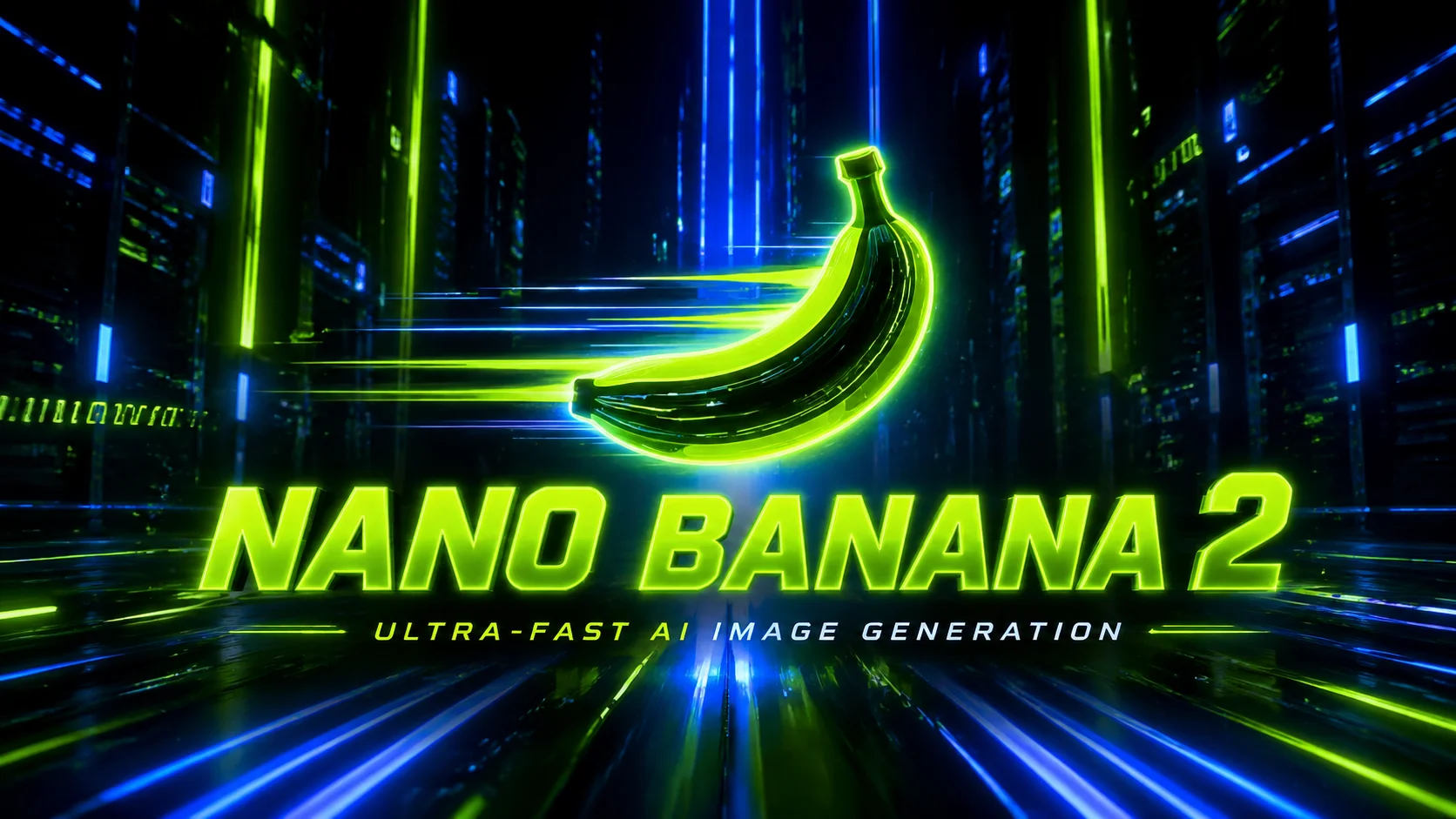
Gemini Nano Banana 2.1 is Google's high-efficiency Gemini image model for generation and conversational editing, and the more efficient counterpart to Nano Banana Pro. Generate from a written description or rebuild a picture from up to 10 reference images at 1K, 2K or 4K, then export it as JPG or PNG.

Nano Banana 2.1
  1. Home
  2. /
  3. AI Image Generator Online
  4. /
  5. Nano Banana 2.1
About

About Nano Banana 2.1

Nano Banana 2.1 is Google's efficiency-focused Gemini image model for text-to-image generation and reference-guided editing. Its gains show up where they matter most: text rendered inside the image, and character and style consistency across a series of edits. Generate at 1K, 2K or 4K, work with up to 10 reference images, descriptions up to 20,000 characters and 15 aspect ratios, then export JPG or PNG.

About Nano Banana 2.1

Nano Banana 2.1 Features and Controls

Gemini's efficient image model, with the resolution, reference-image, description and review controls this page actually exposes.

Gemini's efficient image model

Google positions Nano Banana 2.1 as the more efficient counterpart to Nano Banana Pro: Flash-level speed and cost with improved visual quality and prompt adherence over Nano Banana 2. Reach for it when you want several usable directions rather than one heavily polished image.


1K, 2K and 4K output

Choose 1K for drafts and social posts, 2K for detail work, and 4K for large prints, banners and layouts that will be cropped. 1K is the default and each step up costs more credits; the model card notes that tiling on wide and panoramic ratios such as 1:4, 4:1, 1:8 and 8:1 is fixed at 2K and 4K.

15 aspect ratios, from square to extreme strips

Pick 1:1, 4:5, 3:4, 2:3, 9:16, 16:9 or 21:9 for everyday placements, or the very wide and very tall 4:1, 1:4, 8:1 and 1:8 formats; auto lets the model match your description and references.

Multi-image fusion, up to 10 references here

Google's model card supports up to 14 reference images, with character consistency for up to 4 characters and object fidelity for up to 10 objects; this page accepts up to 10 JPEG, PNG or WebP files of 30 MB each. Give each upload a job and say what must stay unchanged.

Text rendering and infographic layouts

Improved text rendering and layout accuracy make the model practical for posters, price panels, comparison charts and diagrams where the words inside the image have to be readable and sensibly placed. Check spelling and small type before you publish.

Conversational editing, one pass at a time

Describe the change you want — light, background, framing, styling — and keep the parts you name, instead of restating the whole brief. Each run returns a single image, so every edit is a new pass at the price shown for its resolution.

Descriptions up to 20,000 characters

Long briefs are supported and useful for multi-panel posters, recurring layouts and character or product series. A workable order is subject, scene, framing, lighting, materials, styling, required on-image text, constraints and intended use.

Review before publishing

Read the words inside the image, check small faces, hands and product labels, and re-run with a clearer instruction when something is off. Search grounding and thinking-level controls are not exposed on this page, so treat results as generated from your description and references alone.

FAQ

Nano Banana 2.1 FAQ

Nano Banana 2.1 FAQ

01

Nano Banana 2.1 (model code gemini-nano-banana-2.1) is Google's high-efficiency image generation and conversational editing model. It is an update to Nano Banana 2 (Gemini 3.1 Flash Image) and the more efficient counterpart to Nano Banana Pro (Gemini 3 Pro Image).

02

According to Google's model card, 2.1 keeps Flash-level speed and cost while improving visual quality, prompt adherence, multi-turn character consistency and text rendering, and it fixes tiling artifacts on wide aspect ratios at 2K and 4K. Nano Banana 2 remains the lighter, cheaper tier and Nano Banana Pro stays the higher-fidelity choice for complex professional work. All three run in the same generator, so you can put your own prompt through each before deciding.

03

Text-to-image costs 5 credits at 1K, 8 credits at 2K and 10 credits at 4K. Adding a reference image costs 1 credit more in every tier, so image-to-image is 6, 9 or 11 credits. Each generation returns one image.

04

1K, 2K and 4K, saved as JPG or PNG, with 1K as the default. Fifteen aspect-ratio options cover 1:1, 4:5, 5:4, 3:4, 4:3, 2:3, 3:2, 9:16, 16:9 and 21:9, plus the panoramic 4:1 and 1:4, the tall 8:1 and 1:8, and auto.

05

This page accepts up to 10 JPEG, PNG or WebP images of up to 30 MB each. Google's model card lists support for up to 14 references, with character consistency for up to 4 characters and object fidelity for up to 10 objects. Use sharp, well-lit files, describe the role of each one — product shape, person, pose, material, colour palette or background — and spell out what must not change. A few clearly described references usually beat a large mixed set.

06

Up to 20,000 characters. A reliable order is subject, scene, framing, lighting, materials, styling, any text that must appear in the image, the constraints, and the intended use. Start with what has to be right — the product, the face, the words, the space left for a headline — and add style after that. When a detail must stay exactly as it is, say so explicitly.

07

Read any text rendered inside the picture, check small faces and hands, confirm product labels, logos and factual details, and re-run with a clearer instruction if something is wrong. Treat every result as a draft until you have checked it.

08

Input here is images plus text. The model card also lists video and PDF input for the Gemini API, and Web and Image Search grounding and configurable thinking levels are not exposed in these controls. To continue, keep the same reference set and change one thing per pass: draft at 1K, compare a few directions, then re-run the one you keep at 2K or 4K. Export JPG for a smaller file or PNG when you need a clean one, and check the result again after every change.

Testimonials

How Teams Use Nano Banana 2.1

“We upload the current product shot, keep the shape and the label, and re-run the background and lighting for each market. Nothing about the packaging drifts between versions.”

Product Teams

Product Teams

Reference-guided edits

Product Teams: “We upload the current product shot, keep the shape and the label, and re-run the background and lighting for each market. Nothing about the packaging drifts between versions.”

Design Studios: “A long description with the headline text and layout notes gives us several directions in one sitting, and the 4K export is already good enough for a client deck.”

Social Creators: “I draft at 1K to find the idea, then re-run the winner at 2K for the post. Carrying the same brief and the same references across both passes keeps the look we already approved.”

Ecommerce Operators: “One reference photo of the real item is enough to produce a clean set of listing images, and because we name what must not change, the label survives the edit.”

Marketing Teams: “We put the headline, the price and the small print into the brief, then read the rendered words before anything goes live. That check is part of the process now, not an afterthought.”

Brand Designers: “Keeping the same reference set across a series is what makes a campaign look like one campaign instead of a pile of unrelated images.”

Localization Teams: “We generate the same layout once per market and swap the on-image copy, so every version keeps the composition the brand already approved.”

Small Studios: “Drafting at 1K and only paying for 4K on the image we actually ship keeps a week of concept work inside a predictable credit budget.”

Create with Nano Banana 2.1

Start at 1K to test a direction, then re-run the image you keep at 2K or 4K and export it as JPG or PNG.

Try Nano Banana 2.1
user 1
user 2
user 3
user 4
user 5

10,000+ users

FireRed Image EditFireRed Image Edit

FireRed Image Edit is an open-source, general-purpose image editing model by Xiaohongshu, trained on 1.6 billion samples for production-grade editing.

AI Image Generator

  • GPT-Image 2
  • Seedream 5.0
  • Nano Banana 2
  • Grok 4.2 Image
  • Nano Banana Pro

AI Video Generator

  • Gemini Omni
  • HappyHorse
  • Seedance 2
  • Veo 3.1
  • Grok Imagine 1.5
  • Wan 2.6

AI Tools

  • Background Remover
  • Image Upscaler
  • Photo Restoration
  • AI Background Changer
  • AI Object Remover
  • AI Product Photo Generator

Video Effects

  • AI Hug Video
  • AI Kiss Video
  • AI Dance Video
  • Earth Zoom Out
  • Bullet Time Video
  • Product 360° Video

Explore

  • Showcases
  • Blog
  • Pricing
  • API
  • Changelog
  • About
© 2026 FireRed Image Edit· All rights reserved
Privacy PolicyTerms of ServiceRefund PolicyRefund RequestAbout Us
DeutschEnglishEspañolFrançais繁體中文日本語한국어Türkçe中文עבריתPolski
HomeAI ToolsAssetsProfile